Script fonts have a unique power in design: they communicate emotion, personality, and movement in ways that standard serif or sans-serif fonts simply can’t. When used correctly, script typography can instantly elevate a design — making it feel more human, premium, or expressive.
In this article, we’ll break down why script fonts matter, where they work best, and analyze popular styles like the ones shown in the examples: Priestacy, Rockybilly, Birdrockers, Chandia, and Heaters.
What Are Script Fonts?
Script fonts are typefaces inspired by handwriting and calligraphy. They range from elegant, flowing letterforms to rough, energetic brush strokes.
Broadly, script fonts fall into three categories:
Calligraphy Scripts – elegant, formal, flowing
Brush Scripts – bold, expressive, textured
Handwritten Scripts – casual, friendly, personal
Each category serves a different design purpose — choosing the wrong one can hurt readability or brand perception.
Why Designers Love Script Fonts
Script fonts aren’t about neutrality — they’re about feeling.
Key strengths:
Add personality to otherwise minimal layouts
Create strong visual hierarchy in headlines
Humanize digital designs
Ideal for branding, apparel, posters, and social media
But they demand restraint. Overuse or poor pairing quickly looks unprofessional.
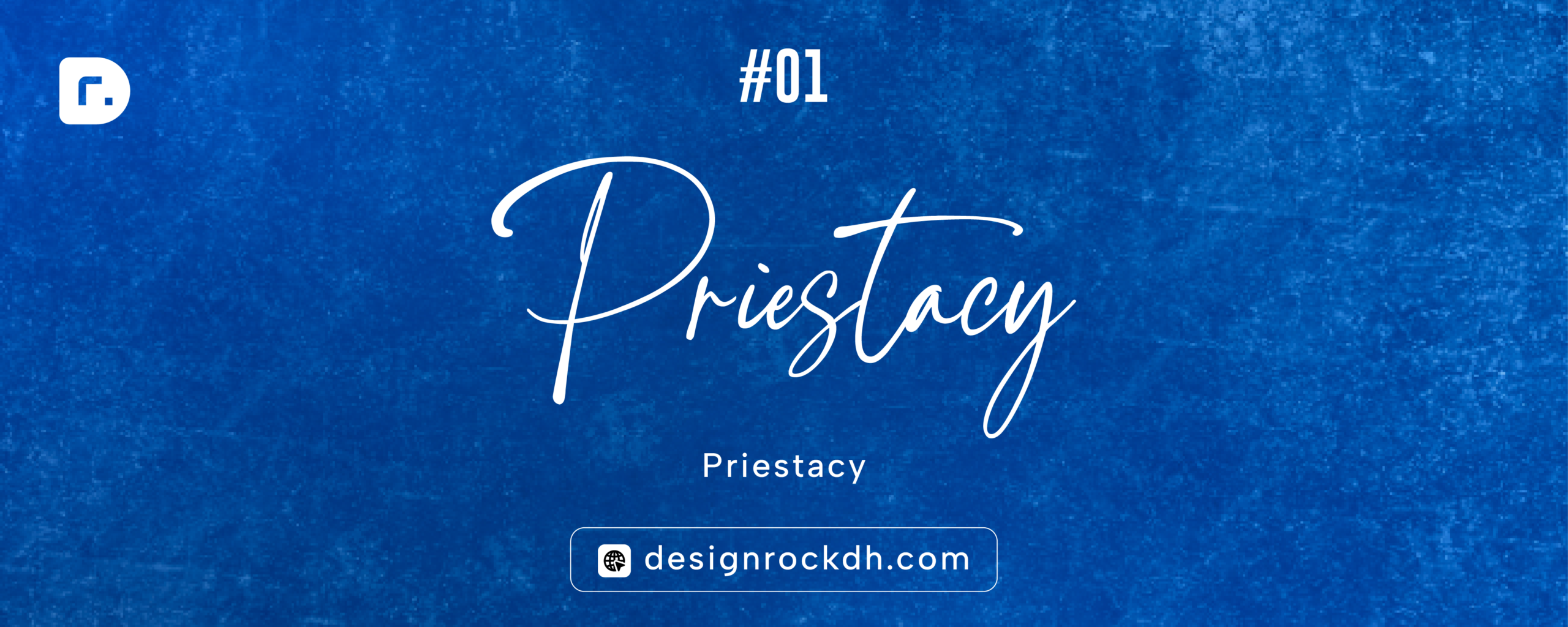
1. Priestacy – Elegant Calligraphy Script
Best for: luxury branding, invitations, beauty & lifestyle brands
Priestacy uses smooth curves and balanced strokes inspired by classic calligraphy. It feels:
Premium
Romantic
Sophisticated
Use it where elegance matters more than speed of reading. Avoid small body text.
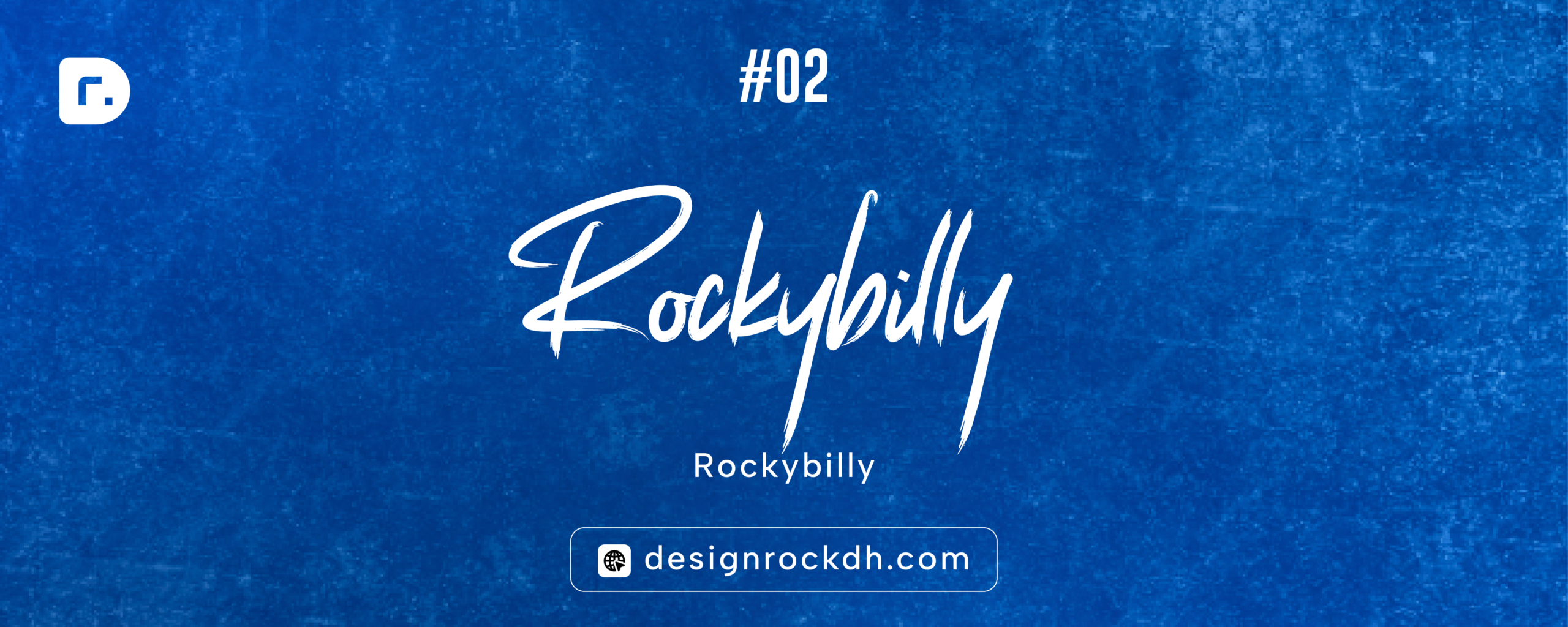
2. Rockybilly – Bold Brush Script
Best for: apparel design, music posters, streetwear
Rockybilly is aggressive, confident, and expressive. The rough brush texture adds energy and attitude, making it perfect for:
T-shirt graphics
Event posters
Youth-focused brands
Pair with a clean sans-serif to maintain balance.
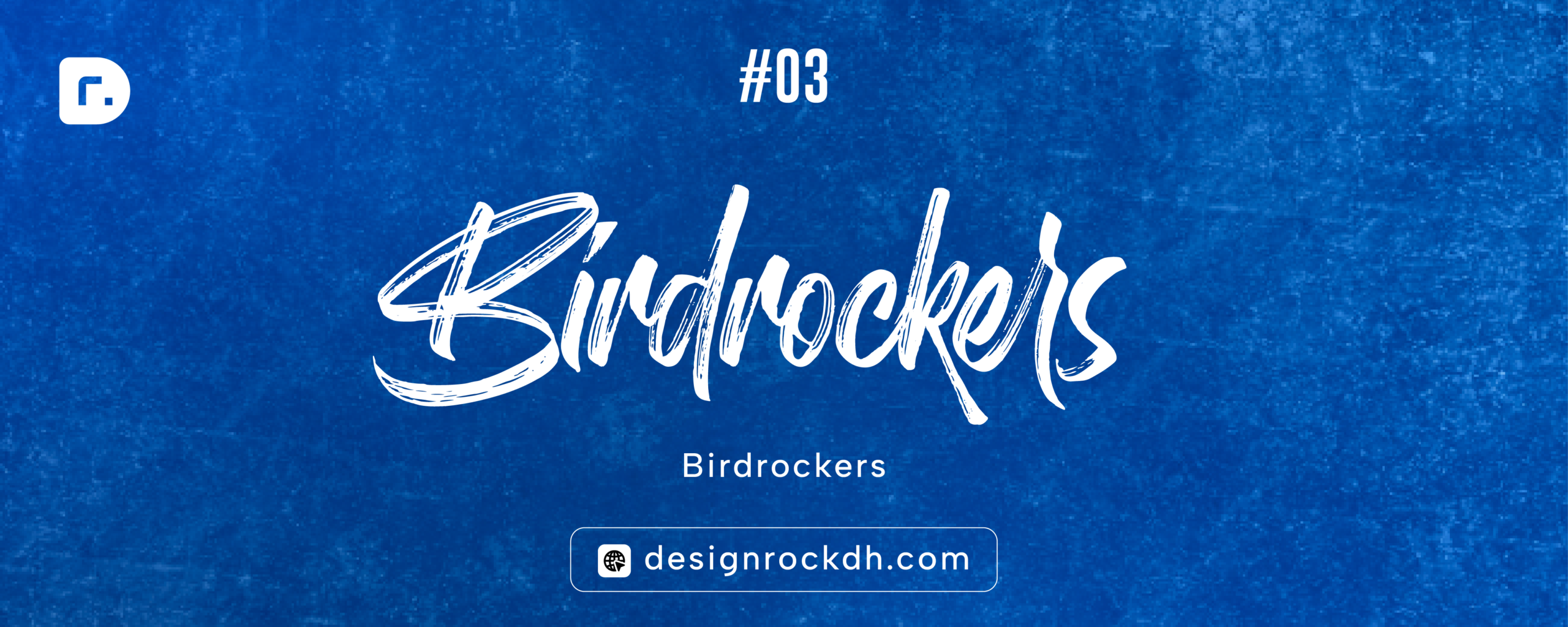
3. Birdrockers – Hand-Painted Brush Style
Best for: creative branding, YouTube thumbnails, social posts
This font feels raw and hand-crafted. It works well when you want designs to feel:
Authentic
Creative
Non-corporate
Not suitable for long text — strictly for impact words.
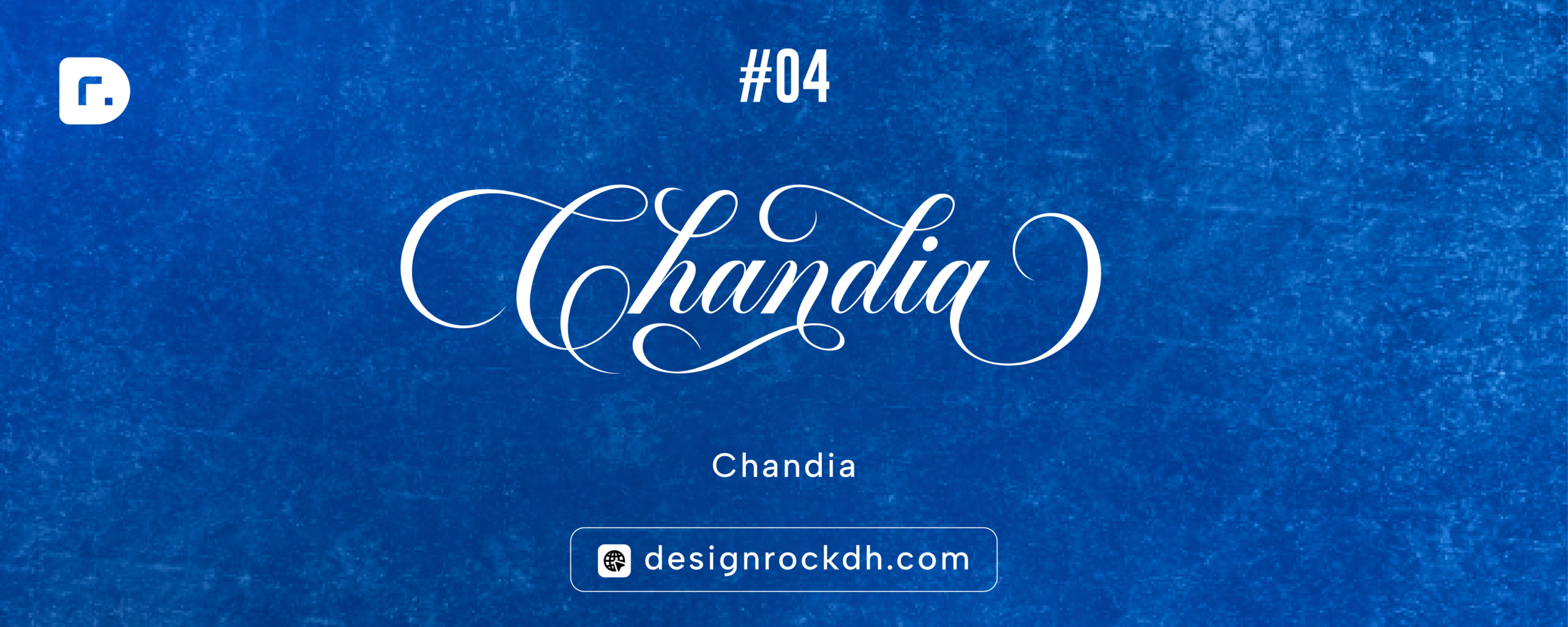
4. Chandia – Decorative Calligraphy Script
Best for: logos, premium packaging, fashion labels
Chandia sits between art and typography. Its decorative swashes demand space and attention.
Use sparingly, ideally:
As a logo
As a hero headline
With lots of white space
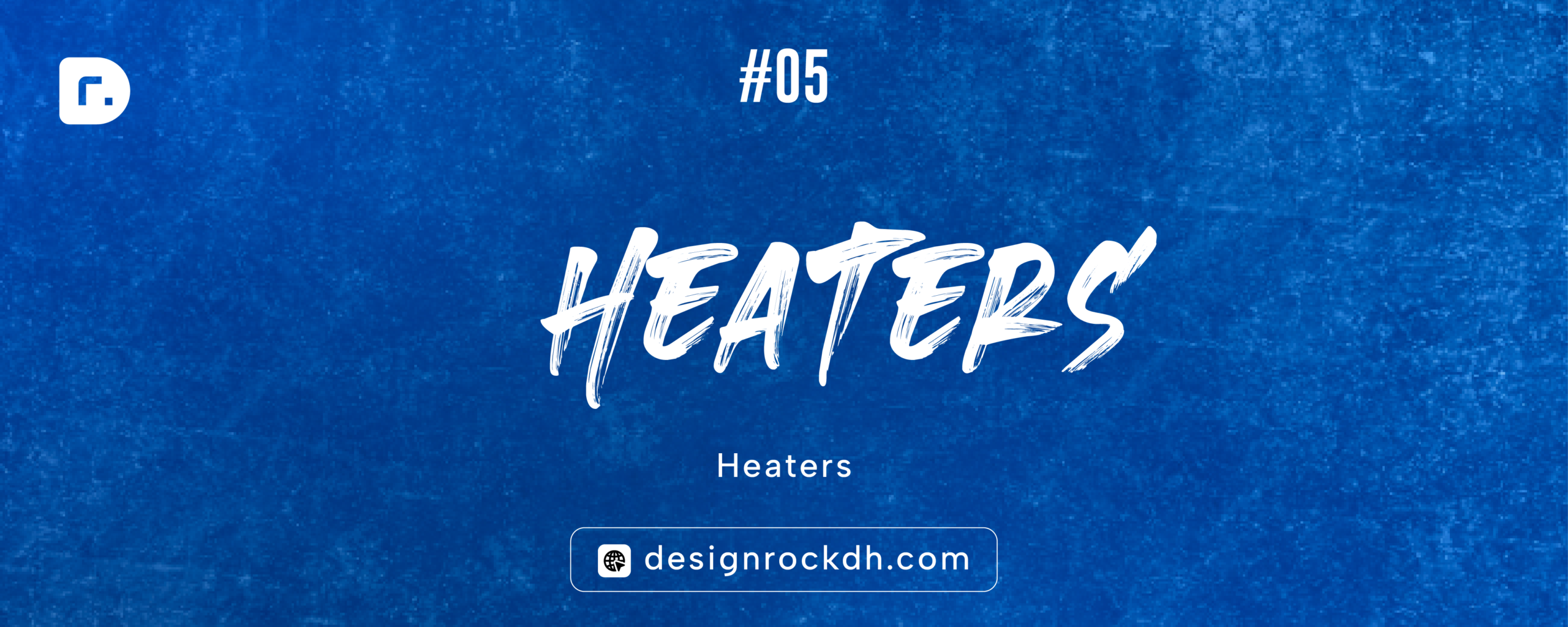
5. Heaters – Strong Brush Display Script
Best for: headlines, sports branding, bold marketing
Heaters is all about visual punch. Thick strokes, high contrast, and confident forms make it ideal for grabbing attention instantly.
Avoid pairing with other expressive fonts — let it lead.
Best Practices for Using Script Fonts
Script fonts are powerful, but risky if misused.
Follow these rules:
Use script fonts mainly for headlines or logos
Never use them for long paragraphs
Pair with neutral sans-serif fonts
Ensure strong contrast with the background
Test readability at different sizes
A good rule of thumb:
One script font per design is usually enough.
Script Fonts in Real-World Design
Script fonts work exceptionally well in:
T-shirt and merchandise design
Logo design and brand marks
Posters and event promotions
Social media graphics
Packaging and labels
They are display fonts, not utility fonts.
Script fonts don’t just display text — they tell a story. Whether you want elegance, rebellion, warmth, or creativity, the right script font can define your entire visual identity.
Used intentionally, script typography becomes a design asset. Used carelessly, it becomes noise.
Choose wisely — and let your typography speak.